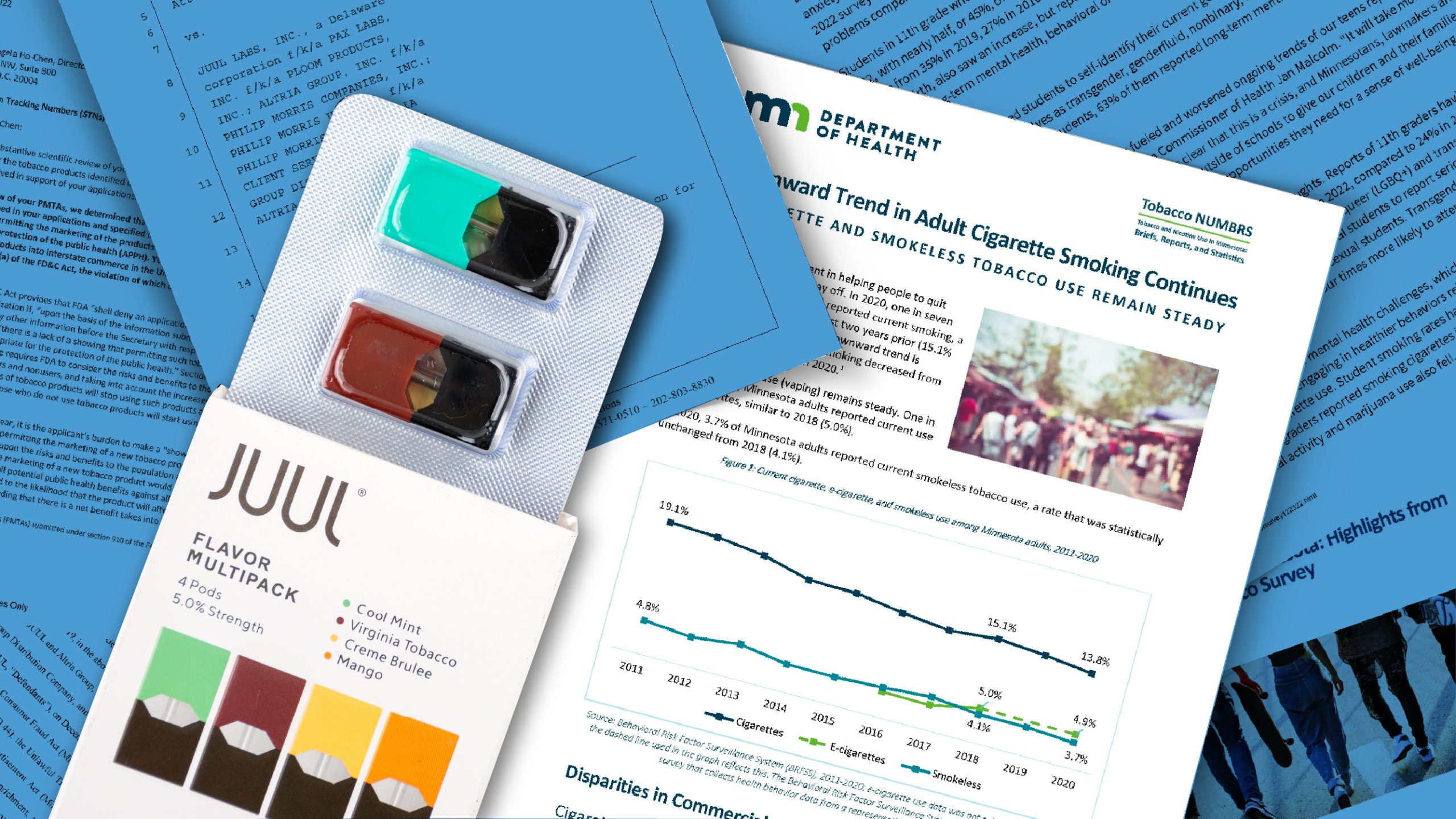
Juul Labs Document Archive: A New Public Health Asset For Future Generations
The landscape of public health has been significantly shaped by the rapid rise of e-cigarette use, particularly among adolescents. For years, Juul Labs stood at the epicenter of this surge, its sleek devices and flavored products capturing a significant market share, often at the expense of youth well-being. Now, a monumental step towards transparency and accountability has been taken: the establishment of a comprehensive public archive containing millions of internal documents from Juul Labs. This unprecedented repository, a direct outcome of various multi-state Juul Labs settlements, offers an invaluable look into the company's strategies and practices, transforming legal victories into a lasting public health resource.
In an era where corporate influence can subtly yet profoundly impact public health, access to internal company records is critical. This archive, made possible by diligent legal action and collaborative efforts, promises to be a game-changer. It provides not just historical context but also vital data for future research, policy-making, and public education aimed at safeguarding the health of young people. Understanding the intricate details behind Juul's marketing and product development is essential for preventing similar public health crises from emerging in the future.
Unveiling the Juul Labs Document Archive: A Beacon of Transparency
Imagine peeling back the layers of a multi-billion dollar corporation to reveal the internal discussions, marketing blueprints, and strategic decisions that fueled its rapid growth. This is precisely what the new Juul Labs Document Archive offers. Spearheaded by a powerful partnership between the North Carolina Department of Health and Human Services (NCDHHS), the University of North Carolina at Chapel Hill University Libraries, and the University of California, San Francisco (UCSF) Industry Documents Library, this repository is a testament to the power of public and academic collaboration.
At its core, the archive began with more than three million internal company records from North Carolina’s lawsuit against Juul Labs. North Carolina's then-Attorney General, Josh Stein, initiated the first state lawsuit in 2019, alleging that Juul deliberately targeted young people with its addictive e-cigarette products. This landmark litigation resulted in a substantial Juul Labs settlement of $40 million, later increased to $47.8 million, earmarked for prevention, cessation, research, and public transparency. Crucially, this settlement also granted the state the right to publish materials from the case online, leading to UNC-Chapel Hill's pivotal role in establishing the archive.
The scope of this resource has since expanded dramatically. Subsequent Juul Labs settlements with other states have contributed an additional two million documents, making the UCSF Industry Documents Library a central hub for these materials. This collective effort means researchers, policymakers, and the public now have access to over five million documents, offering an unprecedented look into the company's operations and tactics. As Vice Provost for University Libraries and University Librarian María R. Estorino aptly put it, "Libraries are trusted sources of information that can fuel understanding and drive discoveries. This collaboration produced an essential new resource that none of our organizations could have created alone."
The Impact of Juul Labs' Marketing on Youth Vaping
The creation of this archive is not merely an academic exercise; it addresses a pressing public health concern. The statistics on youth vaping are stark: in 2024, over 1.6 million U.S. middle and high school students reported current e-cigarette use. Disturbingly, more than 12% of these students identified Juul as their usual or last-used brand. These figures underscore the effectiveness of Juul's marketing strategies, many of which are now laid bare within the archive.
The internal documents are expected to detail how Juul's business strategies and practices directly contributed to the surge in teen vaping. Investigations, such as the two-year multi-state probe that culminated in a nearly $440 million Juul Labs settlement, have already highlighted the aggressive tactics employed. These included marketing e-cigarettes to underage minors through lavish parties, product giveaways, and advertisements featuring young, appealing models on social media platforms. Such promotional activities effectively normalized and glamorized vaping, making it seem appealing and harmless to a vulnerable demographic.
The high-nicotine content of Juul products, a key element often downplayed or obscured, further exacerbated the problem, leading to widespread addiction among young users. The lawsuits and subsequent Juul Labs settlements across various states, including significant agreements in Arizona, Louisiana, North Carolina, and Washington, sought to curb these predatory practices and hold the company accountable. The archive now provides the evidentiary foundation to understand precisely how these tactics were conceived and executed, offering critical lessons on corporate responsibility and the potential for harm when profit supersedes public health.
From Litigation to Lasting Public Health Asset: The Power of Collaboration
What makes the Juul Labs Document Archive truly revolutionary is its transformation of legal outcomes into a enduring public health asset. Former North Carolina Attorney General, now Governor, Josh Stein, articulated this vision perfectly: "This new database turns a significant legal outcome into a lasting public health asset. By making these documents available to all, we strengthen our ability to protect youth, inform policy and prevent similar public health crises in the future."
The substantial funds secured through the various Juul Labs settlements, including the initial $47.8 million for North Carolina and the broader $438.5 million multi-state agreement, are not merely punitive. They are strategic investments. These funds are channeled into vital prevention and education efforts, cessation programs, and further research into the long-term effects of e-cigarettes. More importantly, they support the ongoing maintenance and accessibility of this unique archive, ensuring its utility for years to come. The principle is clear: the information unearthed through litigation should not be confined to legal battles but should serve the greater public good.
This collaborative model – involving state health departments, university libraries, and specialized industry document archives – sets a precedent. It demonstrates how different sectors can unite to address complex public health challenges. Libraries, with their commitment to information access and preservation, serve as ideal custodians for such sensitive yet crucial data, ensuring its integrity and availability to a broad audience. This concerted effort underscores a collective commitment to holding corporations accountable and providing the public with the tools to understand and combat pervasive health threats.
Actionable Insights and Future Implications for Public Health
The Juul Labs Document Archive is far more than a historical record; it is a living resource with profound implications for current and future public health initiatives. Here's how it can be leveraged:
- Informing Policy and Regulation: Researchers and policymakers can analyze marketing strategies, product development timelines, and internal scientific assessments to craft more effective regulations around e-cigarettes and other potentially harmful products. Understanding how Juul sidestepped existing rules or exploited loopholes is crucial for closing them.
- Strengthening Public Education: Public health campaigns can draw upon concrete examples from the archive to educate youth, parents, and educators about the deceptive marketing tactics and health risks associated with e-cigarettes. Real-world evidence from company insiders can be far more impactful than generic warnings.
- Supporting Future Litigation: Legal teams pursuing further accountability for youth addiction or other harms can use the archive to build stronger cases, identifying patterns of behavior and internal knowledge that may have been previously hidden.
- Understanding Corporate Behavior: The documents provide invaluable insights into the tobacco and e-cigarette industries' strategies for market penetration, product innovation, and public relations. This understanding can help anticipate and counteract future industry maneuvers.
- Empowering Researchers: Scholars can conduct longitudinal studies, content analyses, and critical discourse analyses on the vast dataset to uncover deeper trends and relationships between corporate actions and public health outcomes.
The archive serves as a powerful reminder that vigilance against corporate practices that threaten public health is a continuous endeavor. It empowers communities, advocates, and regulators with the knowledge to demand greater accountability, push for stronger protections, and ultimately, safeguard future generations from preventable health crises. The lessons learned from the Juul Labs settlement and the subsequent archive ensure that the struggle to protect youth from nicotine addiction has a permanent and accessible historical record to guide future actions.
Conclusion
The Juul Labs Document Archive stands as a landmark achievement in public health. Born from the tenacity of state attorneys general and solidified through the collaborative efforts of health departments and academic institutions, this repository of millions of internal company documents is an unparalleled resource. It is a direct result of the various Juul Labs settlements that aimed to hold the e-cigarette giant accountable for its role in the youth vaping epidemic. By providing an unfiltered view into the strategies that fueled this crisis, the archive offers invaluable tools for researchers, policymakers, and public health advocates. It serves as a powerful testament to the importance of transparency, accountability, and collaboration in protecting our most vulnerable populations. As we move forward, this archive will undoubtedly continue to fuel discoveries, inform policy, and fortify our collective ability to prevent similar public health challenges from taking root, ensuring a healthier future for all.